

As the nation navigates a complex economic and political environment, recent developments have sparked widespread discussion and concern.
Economic Challenges Amid Rising Inflation
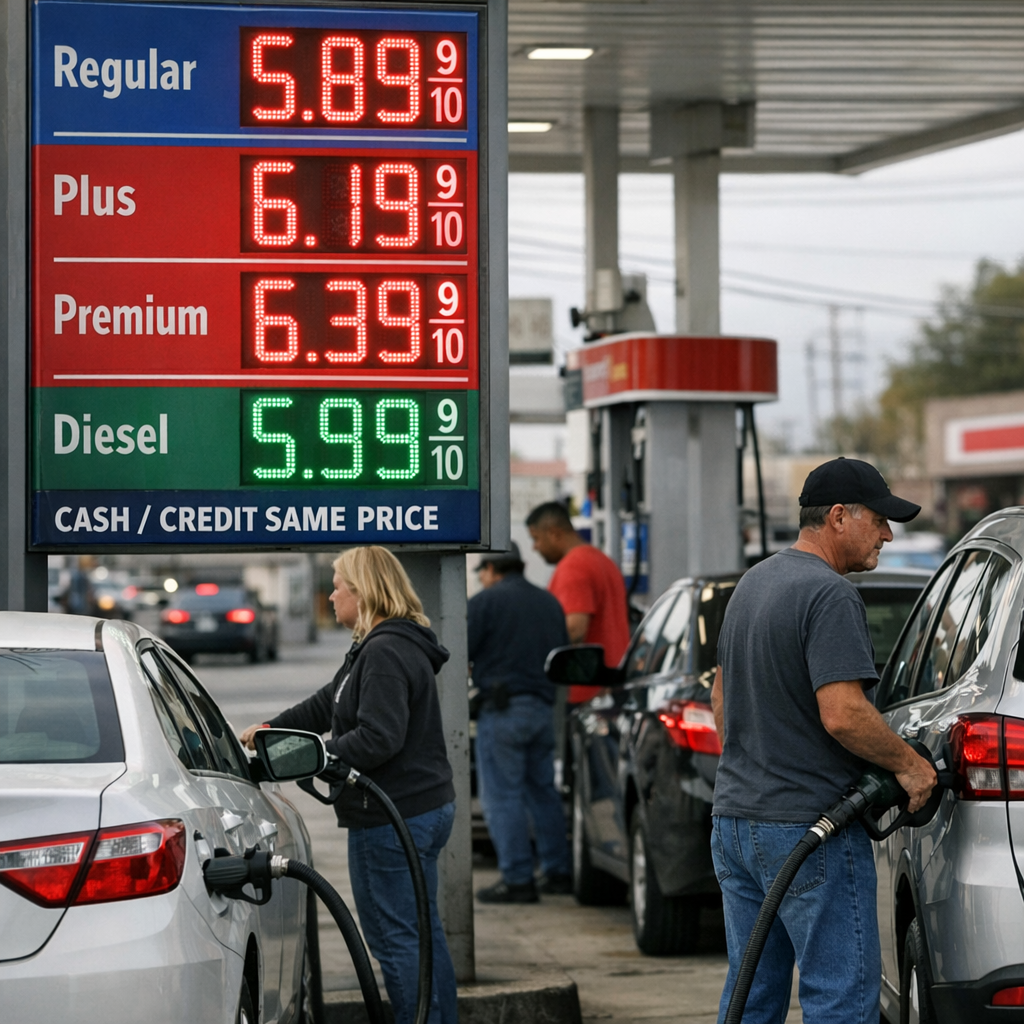
Recent data indicates that inflation has risen to 3.8% in April, marking its highest point in three years. This surge is attributed to escalating energy costs following the military conflict with Iran, which began in February and led to the closure of the Strait of Hormuz. Consequently, average gas prices have exceeded $4.50 per gallon nationally, with some states experiencing prices above $5. These economic pressures have led to declining confidence in current policies, with a significant portion of the population expressing dissatisfaction.
Political Developments and Public Sentiment
In the political arena, the administration has introduced a $1.7 billion fund aimed at addressing concerns over the legal system’s perceived weaponization. This initiative has sparked debates regarding its legality and implementation, with experts weighing in on its potential impact. Additionally, the administration has appointed 80 new federal immigration judges to accelerate deportation cases and reduce court backlogs, reflecting a continued focus on immigration policy.
Local Implications and Community Response
For residents of Brooklyn Park, Minnesota, these national developments have tangible local effects. Rising fuel prices impact daily commutes and household budgets, while policy changes at the federal level influence community dynamics and services. Staying informed and engaged with both national and local news is essential for navigating these evolving challenges.
As the nation continues to address these economic and political issues, the collective response and adaptability of communities like ours will play a crucial role in shaping the future landscape.