

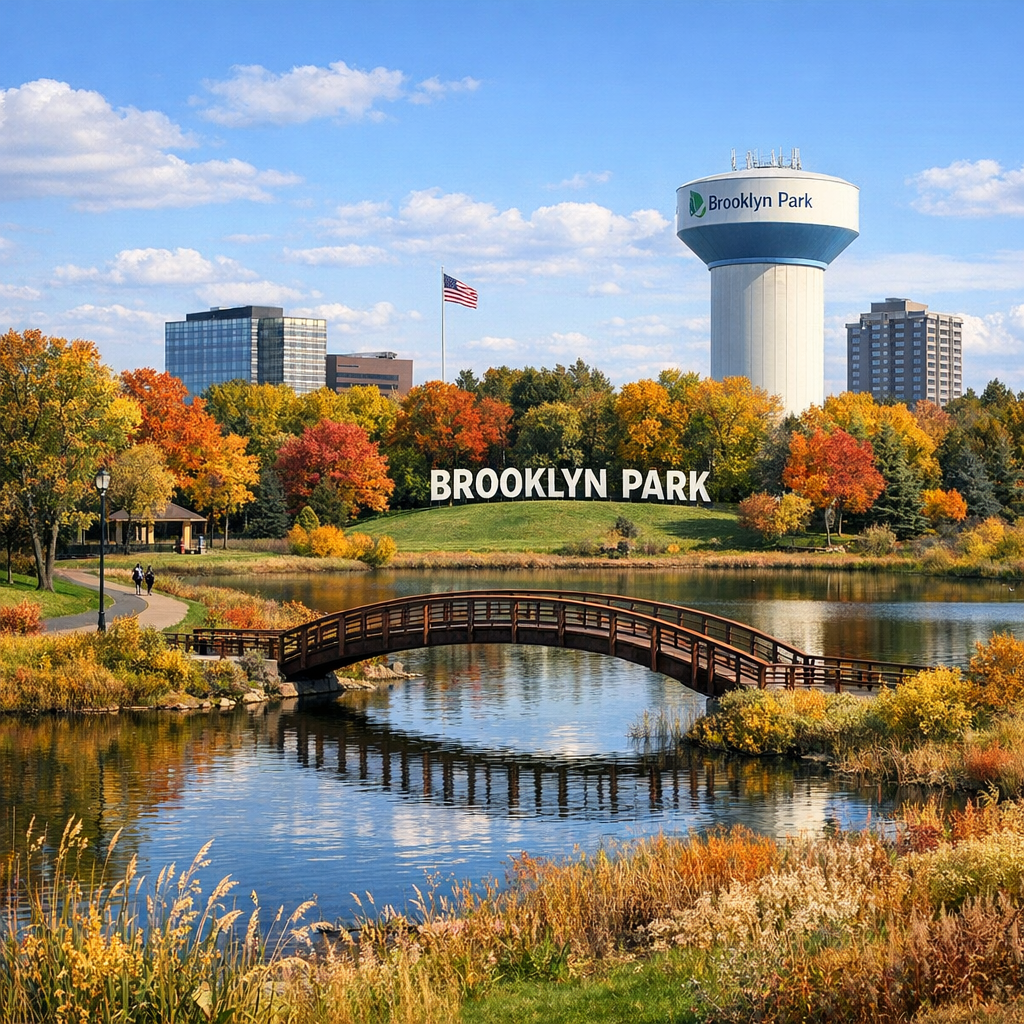
Brooklyn Park, Minnesota, experiences a humid continental climate characterized by four distinct seasons, each bringing its own weather patterns and challenges. Understanding these seasonal variations can help residents and visitors prepare accordingly.
Spring: A Time of Transition
Spring in Brooklyn Park is marked by gradually warming temperatures and increased precipitation. Average high temperatures rise from 41°F (5°C) in March to 69°F (21°C) in May. Rainfall also increases, with May receiving an average of 3.82 inches (97 mm) of precipitation. This season often brings unpredictable weather, including occasional thunderstorms.
Summer: Warm and Wet
Summers are warm and humid, with average high temperatures peaking at 83°F (28°C) in July. June is typically the wettest month, averaging 4.40 inches (112 mm) of rainfall. Thunderstorms are common during this period, often occurring in the late afternoon and evening. Residents should stay informed about weather forecasts and be prepared for sudden changes.
Autumn: Cooling Down
Autumn sees a gradual decrease in temperatures and humidity. Average highs drop from 73°F (23°C) in September to 42°F (6°C) in November. Precipitation levels decline, with October averaging 2.54 inches (65 mm) of rainfall. This season is often marked by clear skies and comfortable weather, making it ideal for outdoor activities.
Winter: Cold and Snowy
Winters are cold and snowy, with average low temperatures reaching 8°F (-13°C) in January. Snowfall is significant, averaging 51.7 inches (131 cm) annually. December is typically the snowiest month, with an average of 5.04 inches (128 mm) of snowfall. Residents should prepare for freezing temperatures and ensure their homes and vehicles are winter-ready.
Environmental Considerations
Brooklyn Park’s climate also influences local environmental factors. The city has very hard water, often measuring around 32–38 grains per gallon, which can lead to scale buildup in pipes and appliances. Additionally, the area is susceptible to severe weather events such as thunderstorms, which can result in property damage and power outages. Understanding these environmental aspects can help residents take proactive measures to mitigate potential issues.
By staying informed about Brooklyn Park’s climate and environmental factors, residents can better prepare for the challenges and opportunities each season brings.